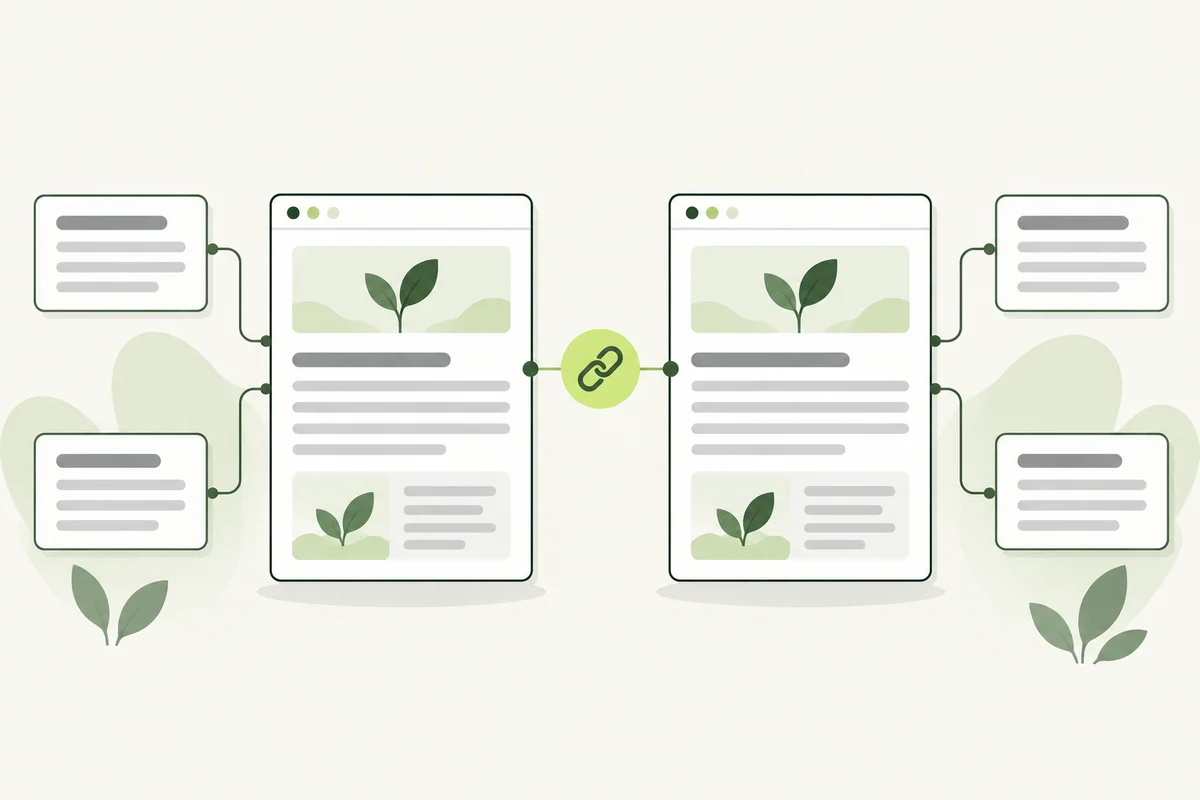
Read the paragraph around a backlink. Can you see why the linked business or resource belongs there? Would following the link help the reader? Those two questions tell you more about relevance than checking for a keyword on its own.
Look at the article, its audience and the destination together. Relevance is a judgement about that connection; it cannot predict a ranking result.
Read the paragraph before judging the link
A link can contain a recognisable keyword and still feel unrelated to the surrounding discussion. Read the introduction and the paragraph containing it. Identify the reader’s question, then ask what the linked page adds.
Imagine a guide to planning a small office. A reference to a workspace furniture supplier could help readers explore suitable desks. A sudden reference to an unrelated holiday offer would need a different explanation. The point is the useful connection, not simply the presence of a business name.
Separate topic fit from audience fit
Two pages can discuss the same broad subject while serving different people. A technical procurement guide and a beginner’s home-use guide may both mention equipment, yet need different examples and destinations. Consider who is likely to read the source article and what information they need next.
Geography can matter too. If a service operates only in a particular area, a reader should be able to understand that limitation before making an enquiry. Do not add location claims merely to create an appearance of relevance.
Look at the destination as part of the connection
The destination should explain the product, service or information implied by the reference. If the article mentions a specific maintenance service but the link leads to a broad homepage with no clear route to it, the reader has more work to do.
Our guide to backlink destination pages covers that decision in more detail. Relevance should survive the click, not end at the anchor text.
Use wording that fits the explanation
Google’s link guidance emphasises meaningful link text and surrounding context. A natural reference can be clear without repeating every target phrase. See our anchor text guide for wording examples.
A third-party website score cannot answer whether a particular paragraph is useful. If you use such metrics during a review, record what they measure and keep your content review separate. A high number is not evidence that a specific link makes sense to readers.
A practical review checklist
- Summarise the source article’s subject in one sentence.
- Identify who the article is written for.
- Explain why the destination is useful at that point.
- Check that the destination fulfils the wording’s promise.
- Flag factual inaccuracies with the exact passage and correction.
Keep expectations grounded in what you can observe. A relevant connection does not establish indexing, permanence or a ranking effect. Link attributes and publishing arrangements are separate considerations, explained in our link attributes guide.